Zucchini
Cucurbita pepo
Zucchini is a bushy summer squash that produces a steady supply of tender green or yellow fruit. A single plant in a large pot can be very productive, and the large golden flowers are edible too.
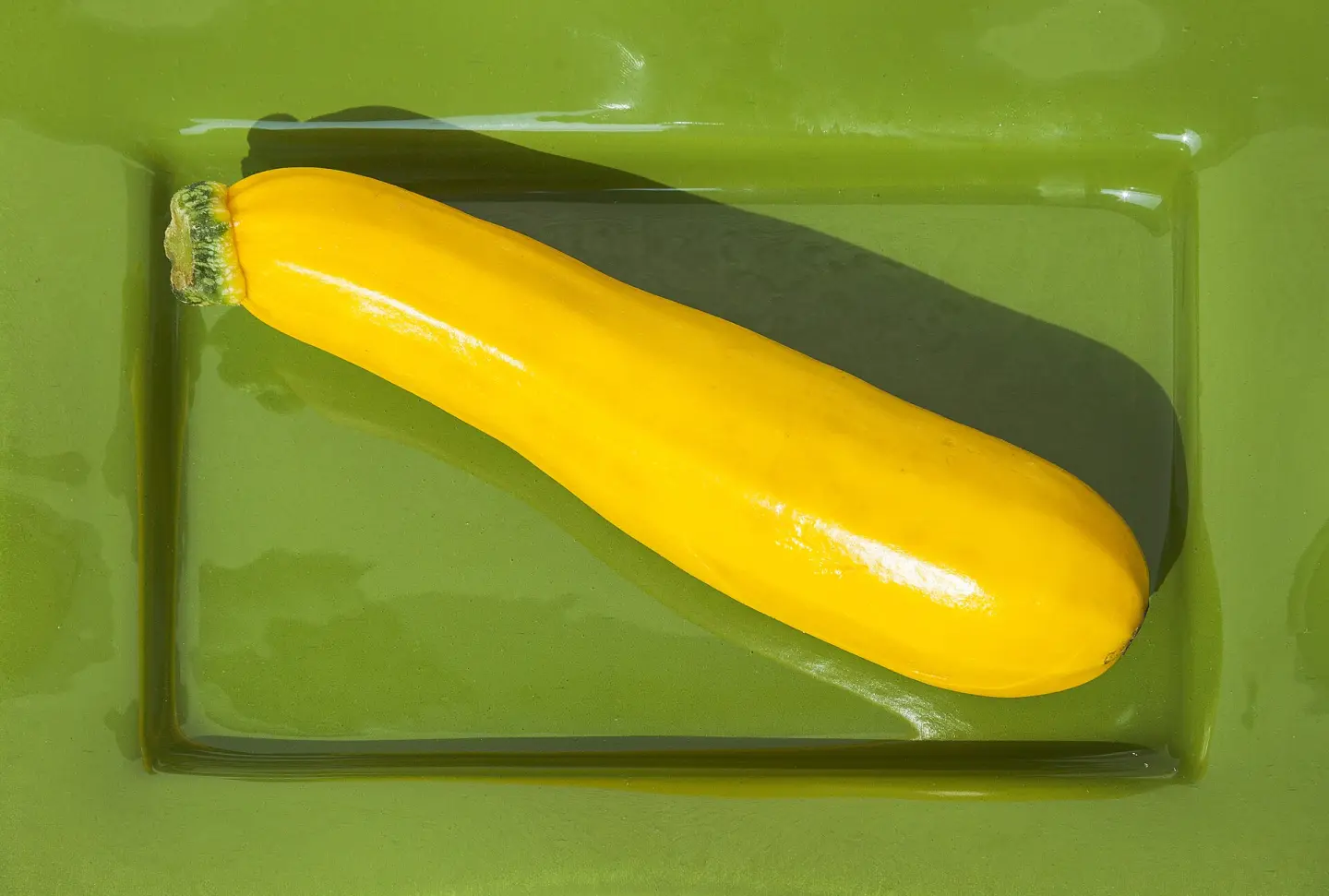
Photo: Diego Delso · CC BY-SA 3.0, via Wikimedia Commons
Essential Care Requirements
Light
Full sun
Watering
Moderate
Water deeply at the base twice a week, more in containers and hot weather. Avoid wetting the leaves.
Soil
Rich, well-drained soil with compost; pH 6.0–7.5. Use a pot of at least 40 litres.
Temperature and humidity
15–32 °C · Moderate humidity
Feeding
Feed every two weeks with a balanced fertilizer, switching to potassium-rich feed once fruiting.
Pruning and propagation
Propagate by seed
Remove old, mildewed lower leaves to improve airflow.
Zucchini is safe to eat. Discard any fruit that tastes very bitter.
Top Cultivation Tips
Grow in the cool season in the plains.
Pick fruit at 15–20 cm; overgrown fruit slows the plant.
Hand-pollinate female flowers in the morning.
Space plants 90 cm apart for airflow.
Common problems
Aphids
Small, soft-bodied insects that cluster on new shoots and buds, sucking sap and leaving sticky honeydew behind.
How to treat it →DiseaseBlossom end rot
A dark, sunken patch at the base of tomatoes, chillies and other fruit, caused by a shortage of calcium in the developing fruit.
How to treat it →PestCucumber beetle
Yellow-and-black striped or spotted beetles that chew cucurbit seedlings and spread bacterial wilt, a major pest in North America.
How to treat it →DiseaseCucumber mosaic virus
An aphid-spread virus that causes mottled, puckered leaves and stunted plants in cucumbers, melons, squash and many other plants.
How to treat it →PestFruit flies
Flies that lay eggs inside ripening fruit; the maggots rot the fruit from within.
How to treat it →DiseasePhytophthora blight
A water mould that causes sudden wilting, dark stem lesions and white-fuzzed rotting fruit in peppers and cucurbits during warm, wet weather.
How to treat it →DiseasePoor fruit set
Plants that flower well but drop their blossoms or produce few fruit, usually because of temperature, poor pollination or too much nitrogen.
How to treat it →DiseasePowdery mildew
A fungal disease that coats leaves, buds and young shoots with a white, flour-like dust, weakening the plant and spoiling flowers and fruit.
How to treat it →PestSquash bug
Grey-brown shield-shaped bugs that suck sap from squash and pumpkin leaves, causing wilting and blackened leaves, common across the US.
How to treat it →PestSquash vine borer
Caterpillars of a day-flying moth that bore into the base of squash and pumpkin stems, causing sudden wilting.
How to treat it →PestWoodlice
Grey, many-legged crustaceans that mostly eat dead plant matter but also nibble seedlings, soft roots and fruit resting on damp soil.
How to treat it →