Wild Garlic
Allium ursinum
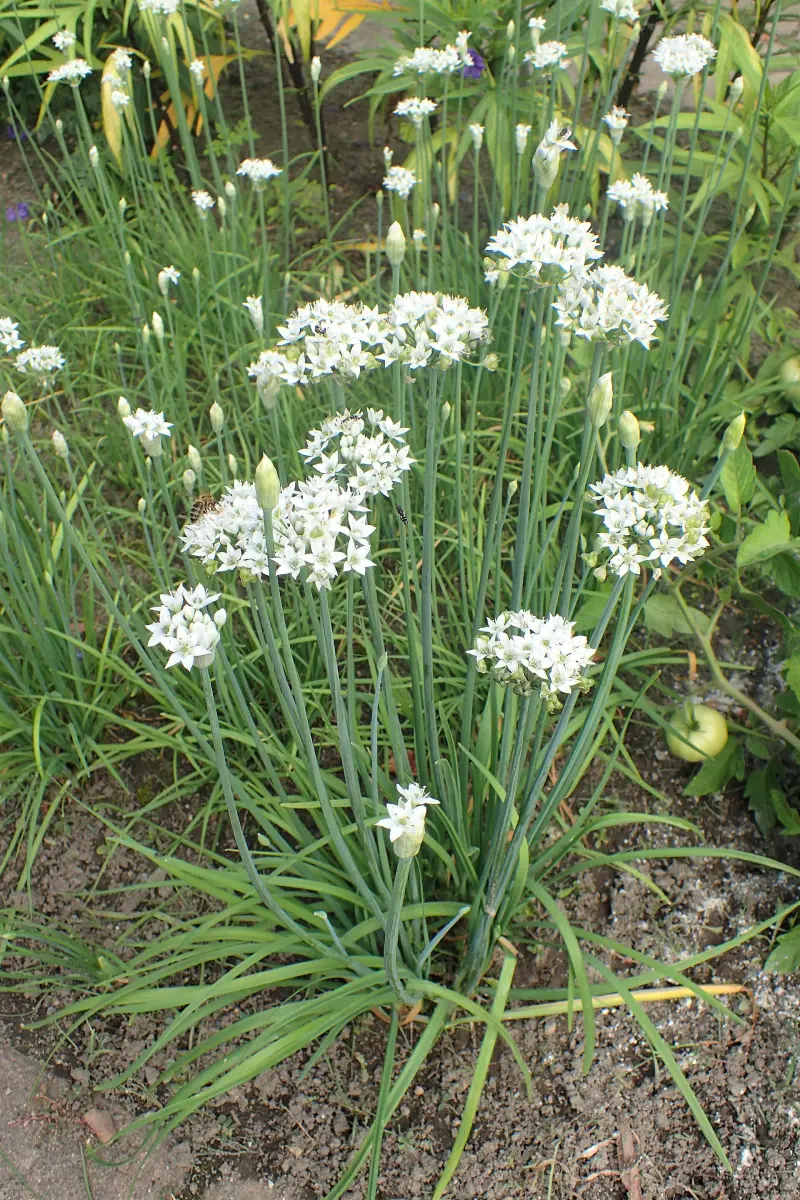
Wild garlic is a woodland bulb that carpets shady ground in spring with glossy leaves and white star flowers. The leaves and flowers are used in pesto, soups and butter, and it naturalises well beneath trees, though it can spread.
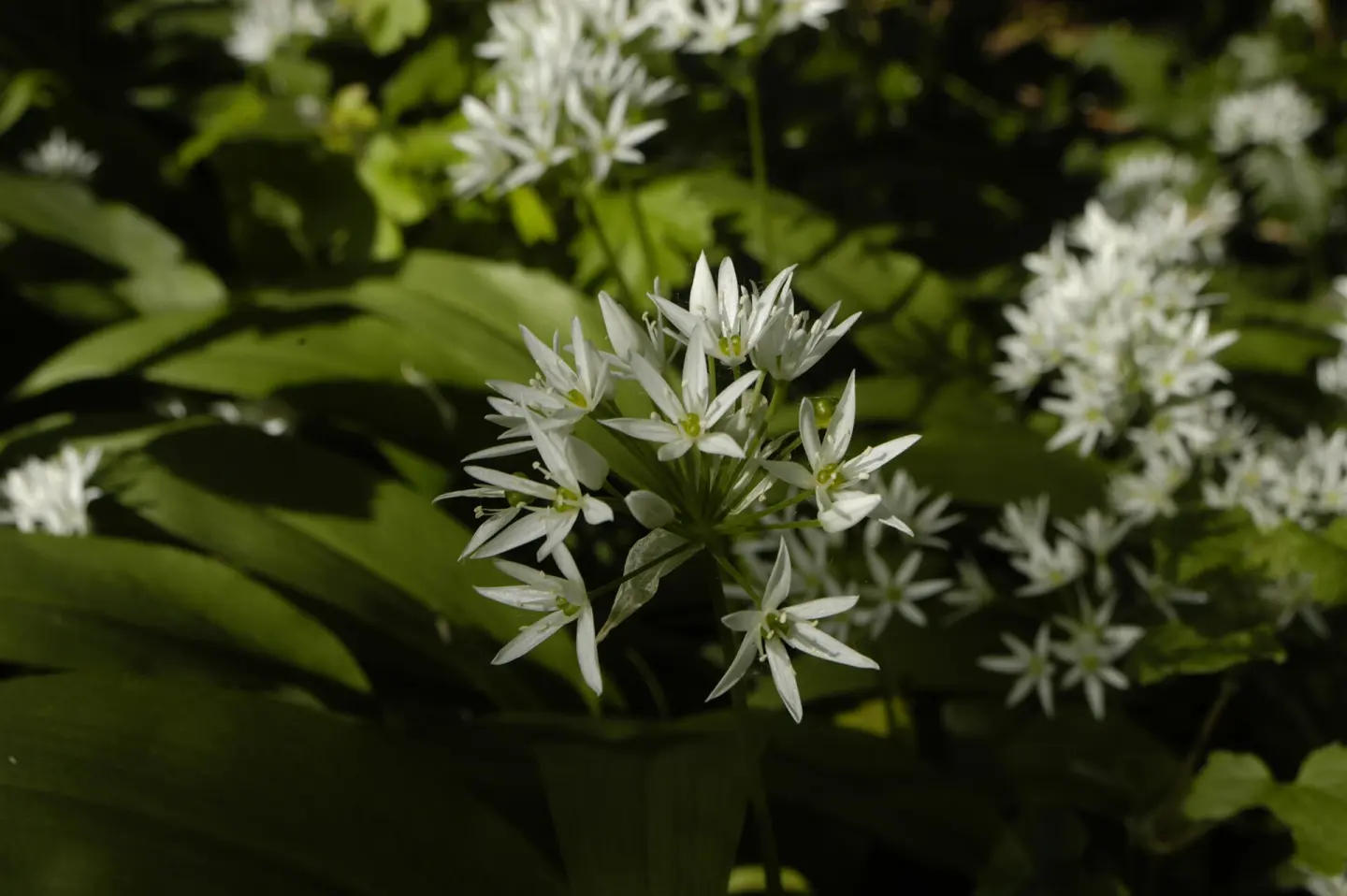
Photo: Rodolph · CC BY-SA 3.0, via Wikimedia Commons
Essential Care Requirements
Light
Partial sun, Low light
Watering
Moderate
Keep the soil moist in spring while in growth. It dislikes dry summer soil but is dormant by then.
Soil
Moist, humus-rich woodland soil; pH 6.0 to 7.5.
Temperature and humidity
-25–25 °C · Moderate humidity
Feeding
Mulch with leaf mould after the foliage dies back. No feeding needed.
Pruning and propagation
Propagate by seed, division, offsets
None needed. Remove seed heads if you want to limit spread.
Safe to eat. It looks like lily of the valley and lords and ladies, which are poisonous, so identify by smell.
Top Cultivation Tips
Plant in shade under deciduous trees where it can spread.
Always crush a leaf to check for the garlic scent.
Pick leaves before flowering for the mildest flavour.
Divide clumps while in leaf, after flowering.
Common problems
Aphids
Small, soft-bodied insects that cluster on new shoots and buds, sucking sap and leaving sticky honeydew behind.
How to treat it →DiseaseLeek rust
A fungal disease that covers leek, onion and garlic leaves with bright orange pustules in mild, damp weather.
How to treat it →DiseaseRust
A fungal disease that forms orange, brown or yellow powdery pustules, mainly on leaf undersides.
How to treat it →PestSnails and slugs
Night-feeding molluscs that chew ragged holes in leaves, seedlings and soft stems, especially in wet weather.
How to treat it →