Thai Basil
Ocimum basilicum var. thyrsiflora
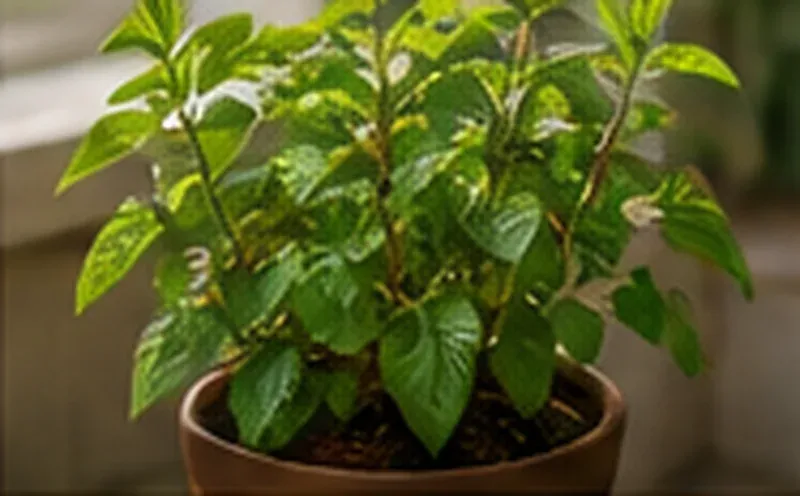
Thai basil has purple stems, pretty purple flower spikes and a spicy, aniseed flavour that holds up in cooking. It is tougher and more heat-tolerant than sweet basil and grows quickly in pots.
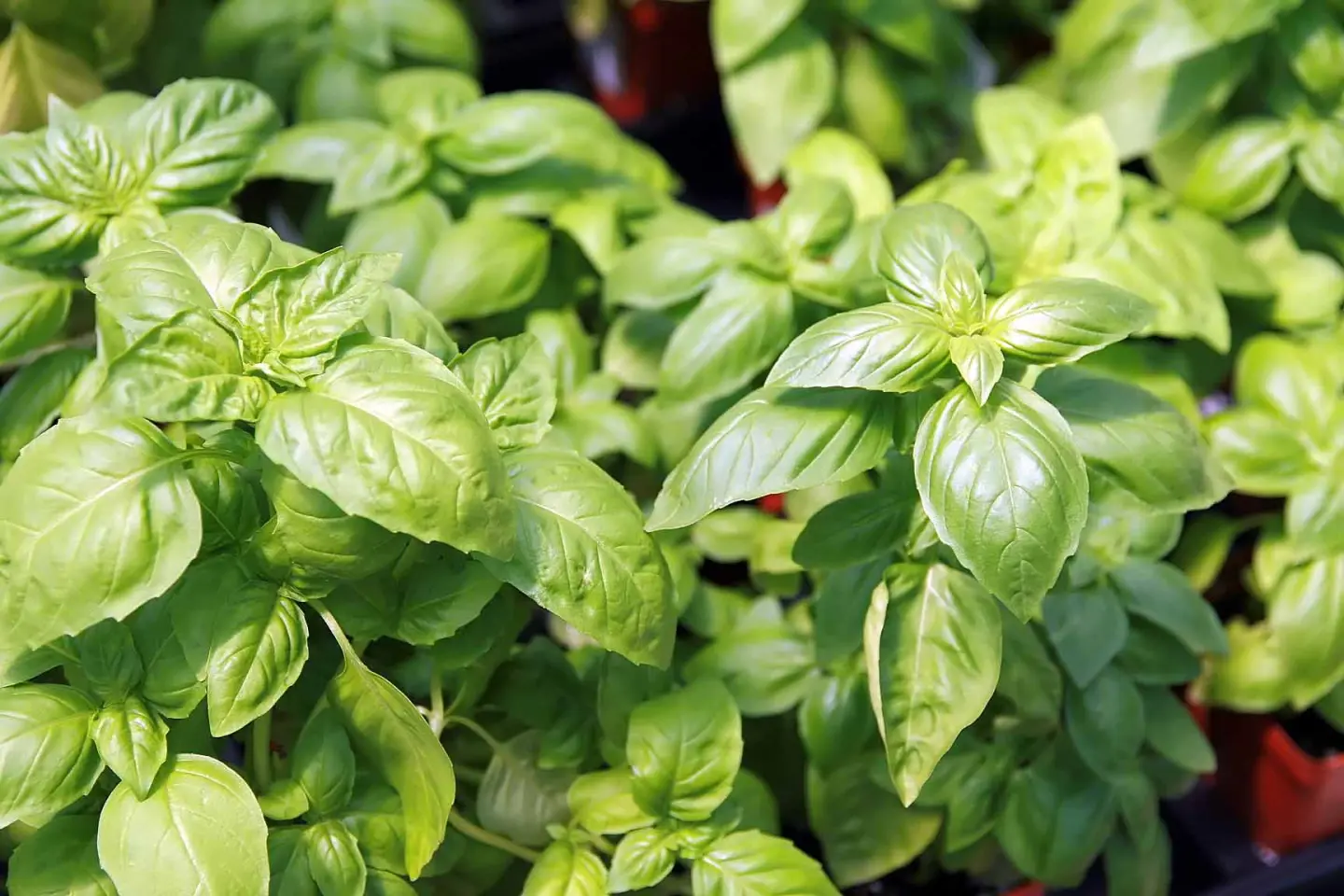
Photo: Photo by David J. Stang · CC BY-SA 4.0, via Wikimedia Commons
Essential Care Requirements
Light
Full sun, Partial sun
Watering
Moderate
Water when the top 2 cm of soil is dry. Avoid wetting the leaves in the evening.
Soil
Fertile, well-drained potting mix with compost; pH 6.0–7.5.
Temperature and humidity
12–38 °C · Moderate humidity
Feeding
Feed every two to three weeks with a diluted liquid fertilizer.
Pruning and propagation
Propagate by seed, stem cuttings
Pinch tips regularly and remove flower spikes to keep leaves coming.
Thai basil is safe for people, cats and dogs.
Top Cultivation Tips
Cuttings root in water within a week.
Leave a few flowers for bees.
Add leaves to curries and noodles at the end of cooking.
Protect from cold below 10 °C.
Common problems
Aphids
Small, soft-bodied insects that cluster on new shoots and buds, sucking sap and leaving sticky honeydew behind.
How to treat it →DiseaseLeaf spot
Fungal or bacterial infections that cause brown, black or purple spots on leaves, often with a yellow halo, leading to early leaf drop.
How to treat it →PestWhiteflies
Small white flying insects that gather under leaves, sucking sap, spreading viruses and leaving sticky honeydew.
How to treat it →