Sweet Orange
Citrus × sinensis
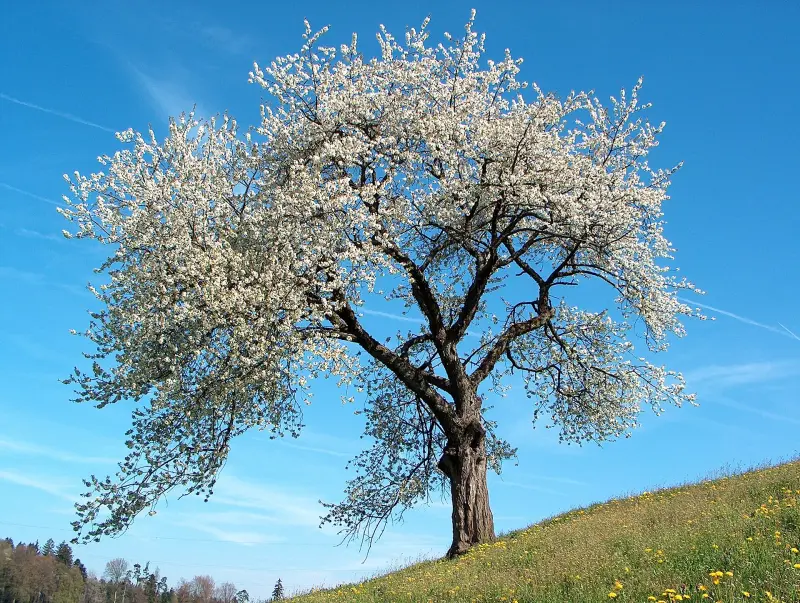
The sweet orange is an evergreen citrus tree with glossy leaves, fragrant white blossom and juicy fruit. Grafted plants start bearing in three to four years and can be grown in large containers on a sunny terrace, where they also make a handsome ornamental.
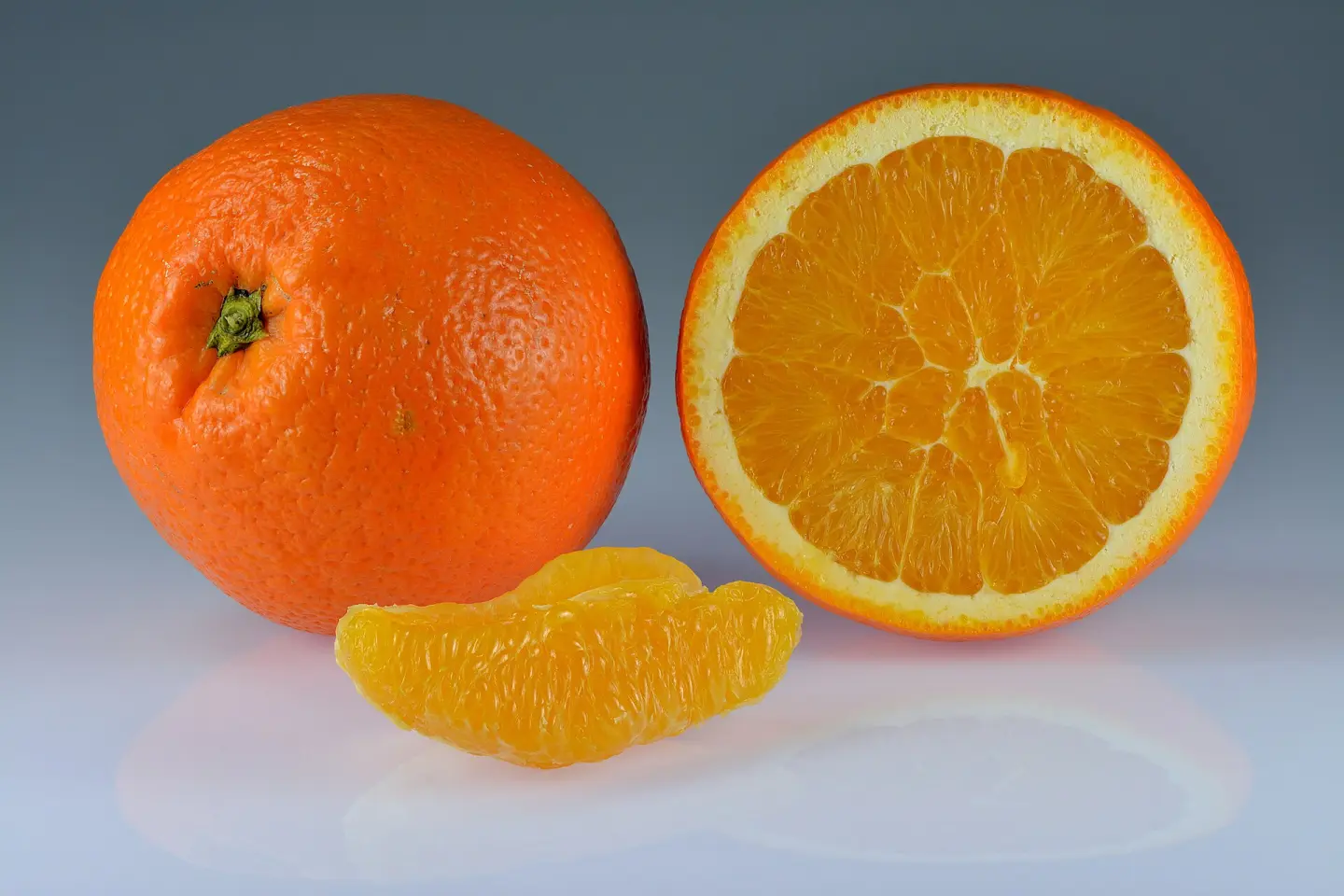
Photo: Ivar Leidus · CC BY-SA 4.0, via Wikimedia Commons
Essential Care Requirements
Light
Full sun
Watering
Moderate
Water deeply when the top 5 cm of soil is dry. Keep moisture steady while fruit is developing; irregular watering causes fruit drop and splitting.
Soil
Well-drained, slightly acidic loam; pH 6.0–7.0. Citrus does not tolerate waterlogging.
Temperature and humidity
5–38 °C · Moderate humidity
Feeding
Feed three times a year (late winter, start of monsoon, after the monsoon) with compost and a citrus fertilizer containing micronutrients.
Pruning and propagation
Propagate by grafting, air layering
Remove shoots below the graft, dead wood and crossing branches after harvest. Keep the centre open to light.
The fruit is safe for people. The leaves, peel and oils can upset the stomach and irritate the skin of cats and dogs.
Top Cultivation Tips
Buy grafted plants on a vigorous rootstock.
Give at least six hours of sun.
Yellow leaves with green veins mean it needs iron and zinc.
Let fruit ripen fully on the tree; it does not sweeten after picking.
Common problems
Citrus canker
A bacterial disease of lemon and lime that causes raised, corky spots with yellow halos on leaves, twigs and fruit.
How to treat it →DiseaseCitrus greening
A serious bacterial disease of citrus spread by the Asian citrus psyllid that causes blotchy yellow leaves and small, bitter, misshapen fruit.
How to treat it →PestCitrus psyllid
Tiny sap-sucking insects on new citrus shoots that cause curled leaves and can spread greening, a serious incurable disease.
How to treat it →DiseaseGummosis
A symptom in citrus, mango and stone fruit trees where sticky gum oozes from the bark, usually in response to disease, pests, wounds or stress.
How to treat it →DiseaseIron chlorosis
Young leaves turn yellow while the veins stay green, usually because alkaline soil stops the plant taking up iron.
How to treat it →PestLeaf miners
Larvae of small flies and moths that tunnel inside leaves, leaving pale, winding trails.
How to treat it →PestScale insects
Immobile, shell-covered insects that cling to stems and leaves, draining sap and weakening trees and houseplants.
How to treat it →