Sea Kale
Crambe maritima
Sea kale is a hardy perennial vegetable with large, blue-green wavy leaves and clouds of honey-scented white flowers. Forced shoots are blanched and eaten in early spring, and it thrives in sandy, free-draining soil.
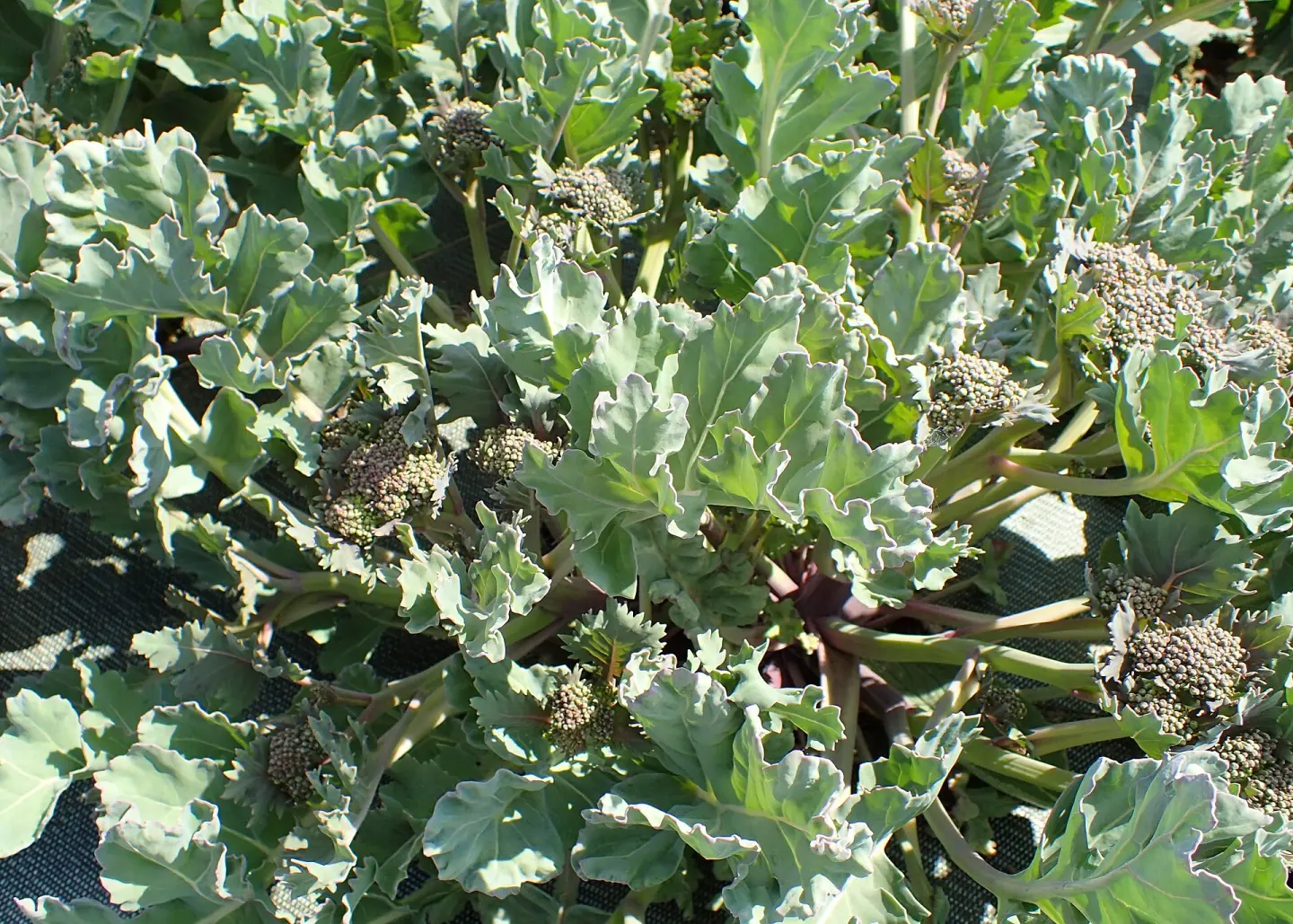
Photo: Krzysztof Ziarnek, Kenraiz · CC BY-SA 4.0, via Wikimedia Commons
Essential Care Requirements
Light
Full sun
Watering
Low
Water new plants until established. After that it is very drought tolerant.
Soil
Light, sandy, well-drained soil, neutral to alkaline; pH 6.5 to 7.5.
Temperature and humidity
-25–30 °C · Low humidity
Feeding
Feed lightly with balanced fertilizer in spring. Do not over-feed.
Pruning and propagation
Propagate by seed, stem cuttings, division
Cut back dead stems in autumn. Force crowns in late winter under pots.
Non-toxic.
Top Cultivation Tips
Cover crowns with a pot in late winter to blanch the shoots.
Take root cuttings in winter for new plants.
Wait two to three years before harvesting.
Leave leaves in summer to build up the crown.
Common problems
Cabbage white caterpillars
Green or yellow-green caterpillars of white butterflies that chew large holes in cabbage-family leaves and foul the hearts with droppings.
How to treat it →DiseaseClubroot
A soil-borne disease of cabbage-family plants that causes swollen, distorted roots, wilting and stunted growth.
How to treat it →PestFlea beetles
Tiny, shiny jumping beetles that pepper the leaves of brassicas, radishes and aubergines with small holes.
How to treat it →PestPigeon damage
Wood pigeons strip the leaves of brassicas and peas, often in winter when other food is scarce.
How to treat it →