Sage
Salvia officinalis
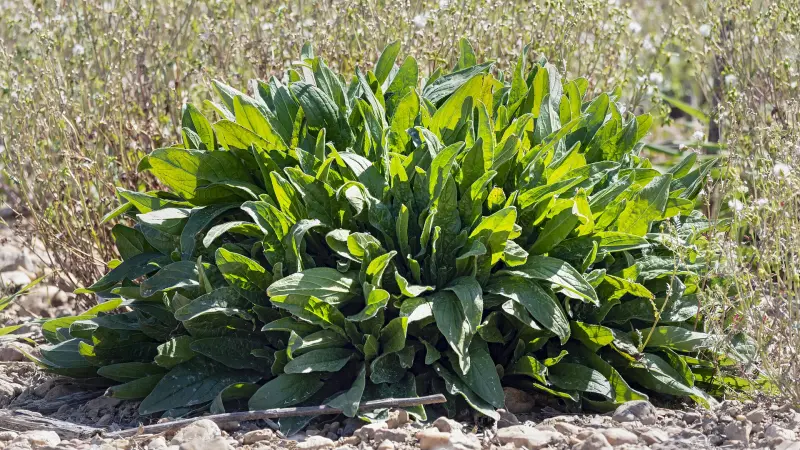
Sage is a woody perennial herb with soft, grey-green, aromatic leaves used with roasts, stuffing and butter sauces. It prefers dry, sunny conditions and does best in a pot with a gritty mix in humid climates.
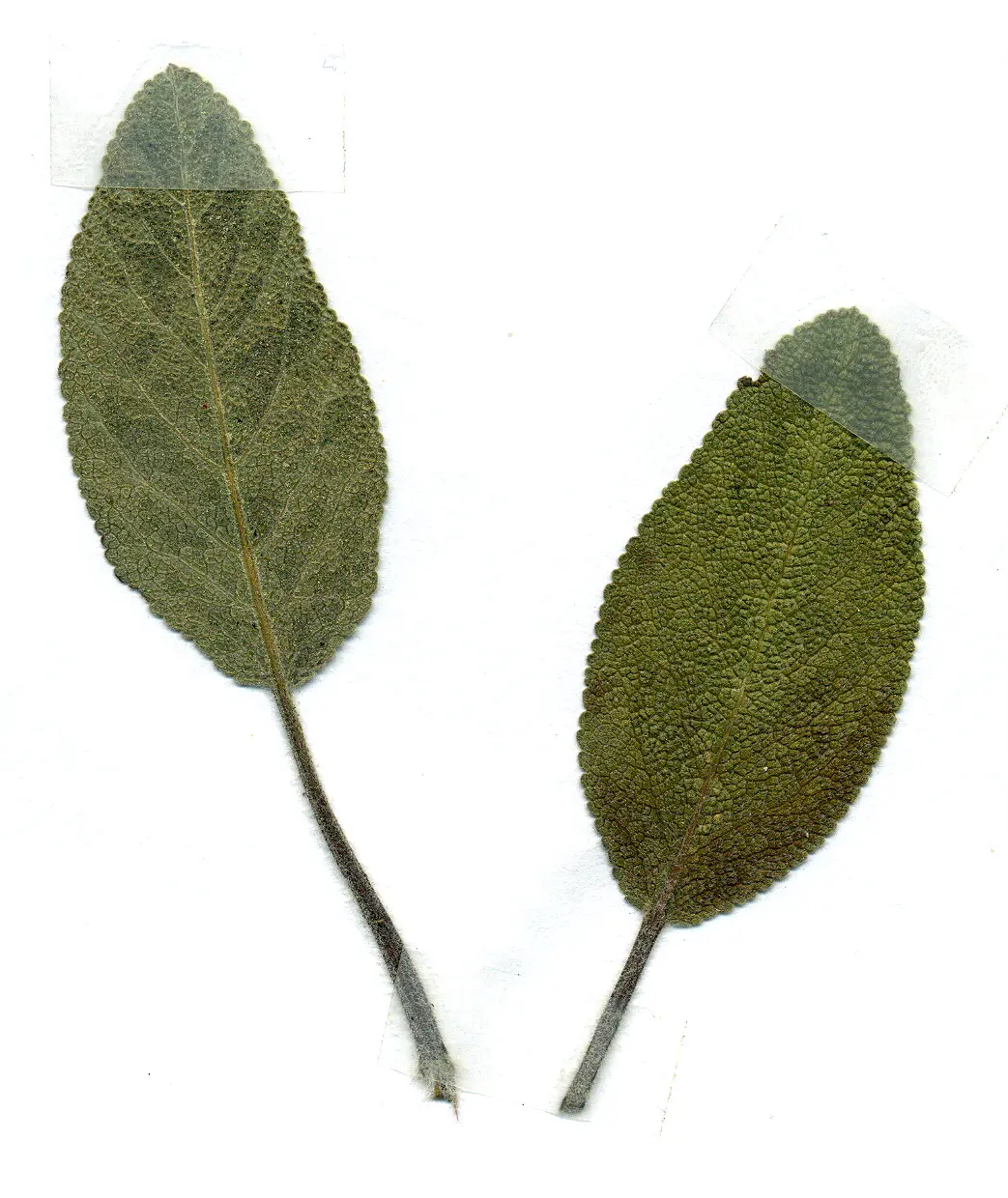
Photo: iesmgb (Flickr) · CC BY-SA 2.0, via Wikimedia Commons
Essential Care Requirements
Light
Full sun
Watering
Low
Water when the soil is nearly dry. Sage rots in wet soil and humid, rainy weather.
Soil
Gritty, very well-drained soil; pH 6.0–7.5.
Temperature and humidity
5–32 °C · Low humidity
Feeding
Feed lightly once or twice a year.
Pruning and propagation
Propagate by stem cuttings, layering, seed
Trim regularly and cut back by a third after flowering to keep plants bushy.
Culinary sage is safe in normal cooking amounts and is not toxic to cats or dogs.
Top Cultivation Tips
Grow in a terracotta pot in a sunny, airy spot.
Move under cover during the monsoon.
Replace woody plants every few years from cuttings.
Dry leaves for winter use.
Common problems
Powdery mildew
A fungal disease that coats leaves, buds and young shoots with a white, flour-like dust, weakening the plant and spoiling flowers and fruit.
How to treat it →DiseaseRoot rot
Roots decay in waterlogged soil, so the plant wilts and yellows even though the soil is wet.
How to treat it →PestRosemary beetle
A shiny, metallic green and purple beetle that eats the leaves and flowers of rosemary, lavender, sage and thyme.
How to treat it →PestSpider mites
Tiny sap-sucking mites that thrive in hot, dry conditions, causing speckled, dull leaves and fine webbing.
How to treat it →