Rhododendron
Rhododendron spp. and hybrids
Rhododendrons are evergreen shrubs with large leathery leaves and big trusses of flowers in spring, in almost every colour. They need acidic soil and dappled shade, and are classic in UK woodland gardens and the US Pacific Northwest.
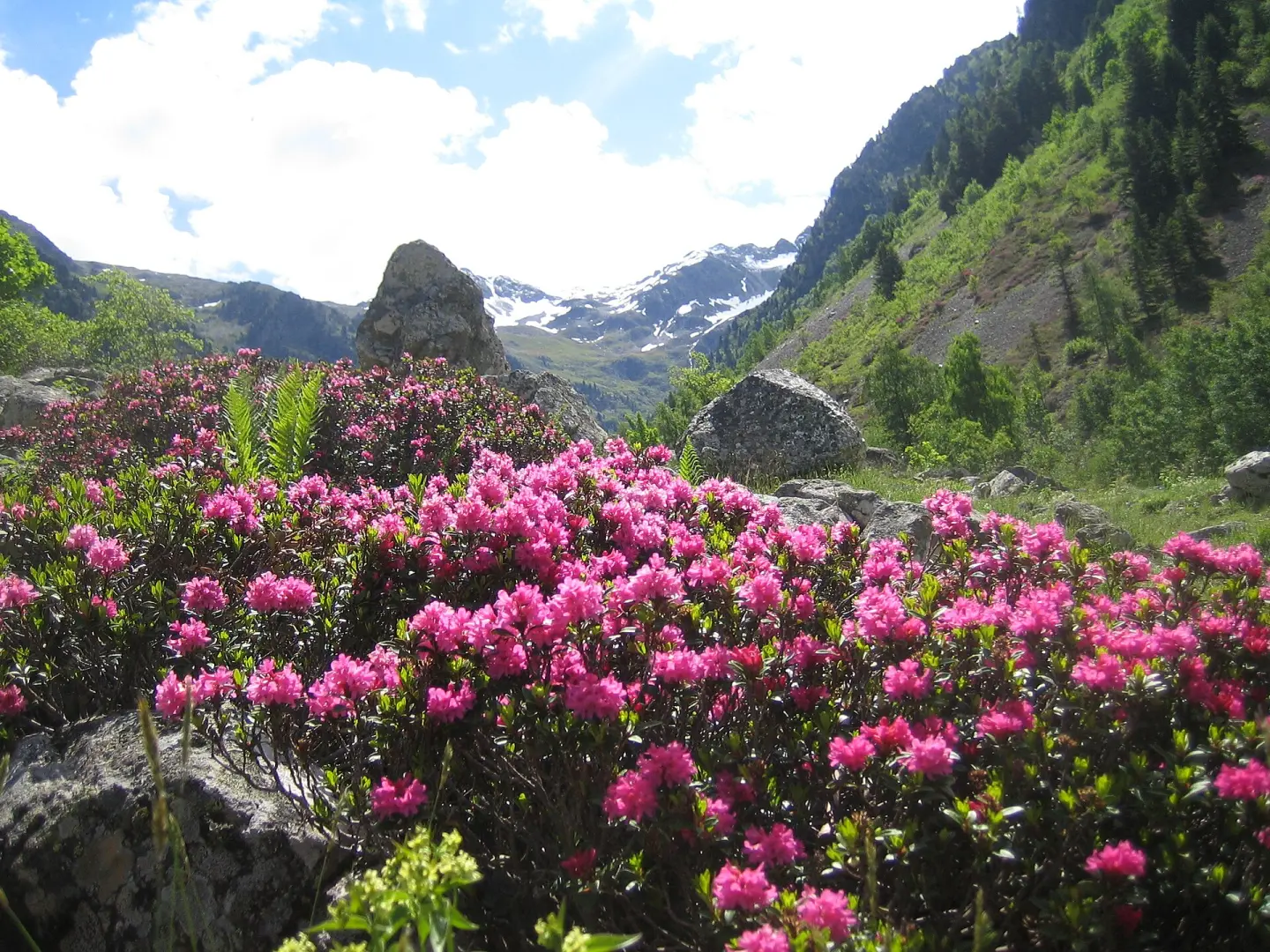
Photo: albert kok · CC BY 3.0, via Wikimedia Commons
Essential Care Requirements
Light
Partial sun
Watering
Moderate
Keep moist with rainwater; never let the shallow roots dry out.
Soil
Acidic, humus-rich, well-drained soil; pH 4.5–6.0.
Temperature and humidity
-30–30 °C · Moderate humidity
Feeding
Feed after flowering with an ericaceous (acid) fertilizer.
Pruning and propagation
Propagate by layering, stem cuttings
Deadhead by snapping off spent trusses; prune lightly after flowering.
All parts are toxic to people and animals.
Top Cultivation Tips
Plant high, with the root ball top at soil level.
Mulch with pine bark or needles.
Grow in ericaceous compost in pots if your soil is alkaline.
Hardy in USDA zones 4–8 depending on variety.
Common problems
Azalea gall
A fungal disease that swells azalea and rhododendron leaves into thick, pale green or pink fleshy galls in spring.
How to treat it →DiseaseHeat stress
Damage caused when plants cannot cool themselves or take up water fast enough in very hot weather, leading to wilting, scorch and poor flowering.
How to treat it →DiseaseHoney fungus
A destructive fungus that attacks and kills the roots of trees and shrubs, spreading underground by black, bootlace-like strands.
How to treat it →DiseaseIron chlorosis
Young leaves turn yellow while the veins stay green, usually because alkaline soil stops the plant taking up iron.
How to treat it →PestLace bugs
Small flat insects with lacy wings that feed under leaves, leaving the upper surface speckled pale and the underside spotted with black.
How to treat it →DiseaseLeaf scorch
Brown, dry, crisp edges and patches on leaves, usually caused by too little water reaching the leaves in hot, windy or dry weather.
How to treat it →DiseaseManganese deficiency
A trace-element shortage that causes yellow patches between green veins on young leaves, often on high-pH, peaty or heavily limed soils.
How to treat it →DiseaseRhododendron bud blast
A fungal disease in which rhododendron flower buds turn brown and shrivel instead of opening, covered with tiny black bristles.
How to treat it →DiseaseRoot rot
Roots decay in waterlogged soil, so the plant wilts and yellows even though the soil is wet.
How to treat it →PestVine weevil
Adult beetles notch leaf edges at night, while their soil-dwelling grubs eat roots, often killing container plants before you notice.
How to treat it →