Pear
Pyrus communis and Pyrus pyrifolia
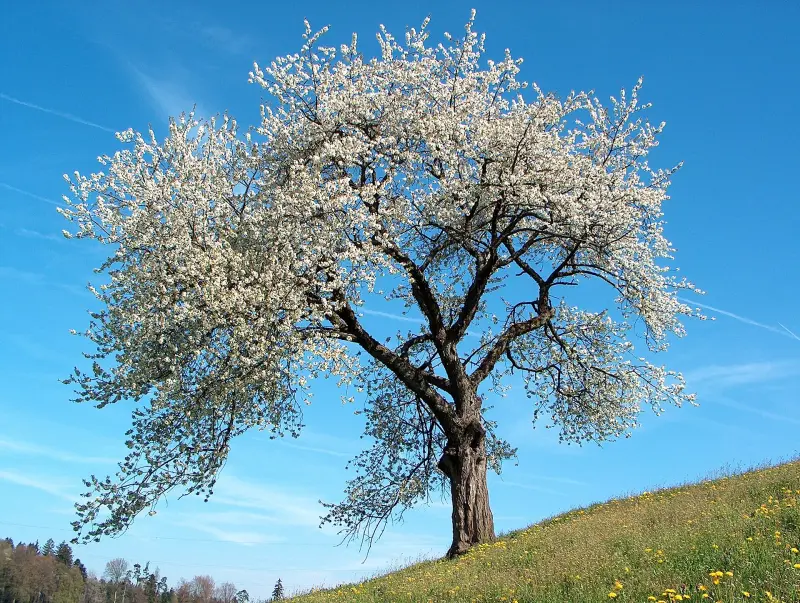
Pears are deciduous fruit trees with white spring blossom and juicy fruit. Hardy sand pears (Pyrus pyrifolia and its hybrids, such as Patharnakh) fruit well in Punjab and the sub-mountain regions, while European pears need colder hills.
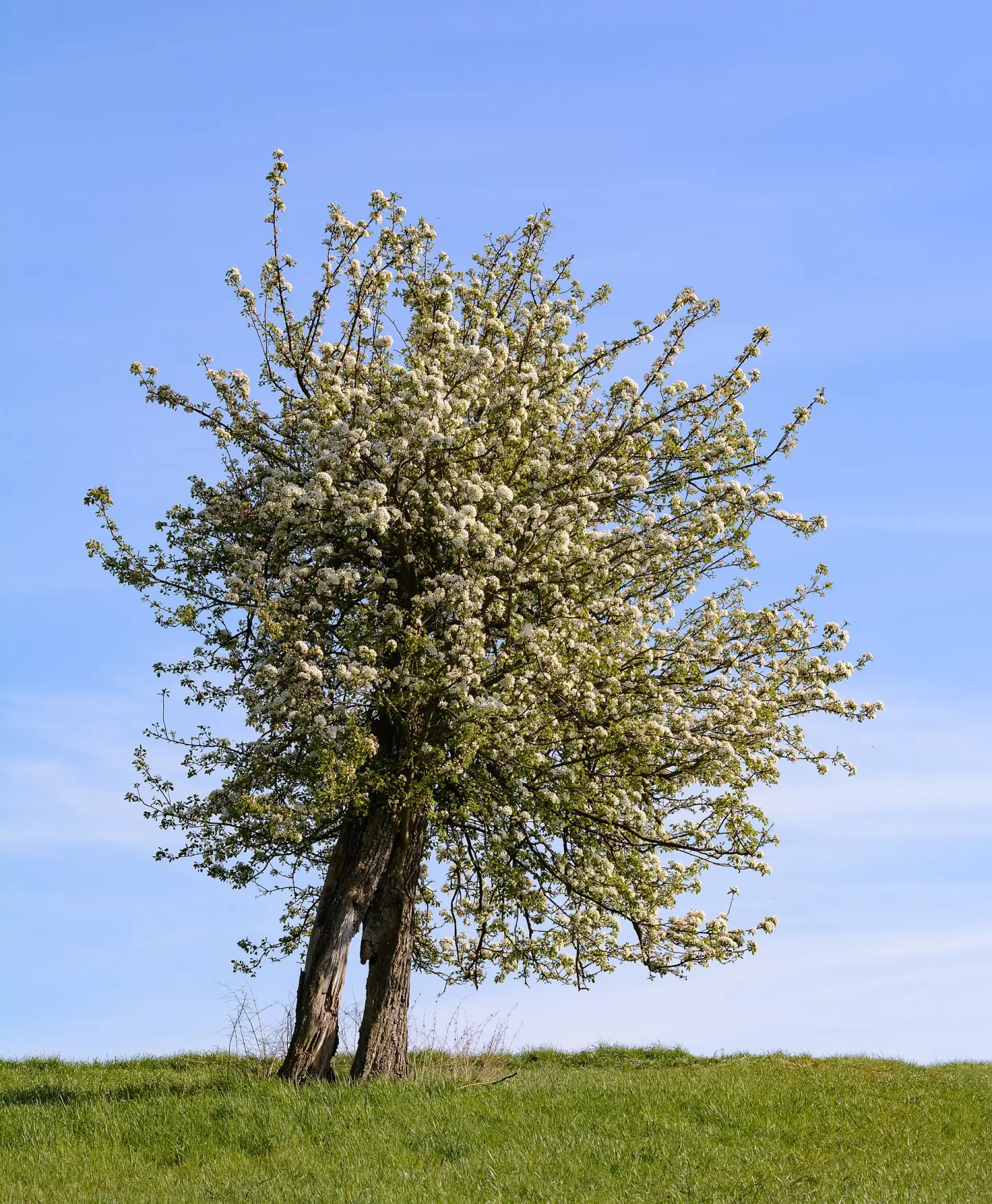
Photo: Uoaei1 · CC BY-SA 4.0, via Wikimedia Commons
Essential Care Requirements
Light
Full sun
Watering
Moderate
Water deeply every week or two in the growing season.
Soil
Deep, well-drained loam; pH 6.0–7.5.
Temperature and humidity
-15–38 °C · Moderate humidity
Feeding
Feed with compost and a balanced fertilizer in late winter.
Pruning and propagation
Propagate by grafting
Prune in winter to keep an open framework and remove crowded spurs.
The fruit is safe. Seeds, leaves and stems contain compounds that release cyanide and can harm pets.
Top Cultivation Tips
Choose low-chill varieties in the plains.
Plant two varieties for better pollination.
Pick European pears firm and ripen indoors.
Thin fruit in heavy years.
Common problems
Aphids
Small, soft-bodied insects that cluster on new shoots and buds, sucking sap and leaving sticky honeydew behind.
How to treat it →DiseaseApple canker
A fungal disease that causes sunken, flaking wounds on apple and pear branches, which can girdle and kill them.
How to treat it →DiseaseApple scab
A fungal disease that causes olive-brown blotches on leaves and corky, cracked scabs on apples and pears.
How to treat it →DiseaseBrown rot
A fungal disease of stone and pome fruit that turns ripening fruit into soft brown rot covered in rings of grey-buff spore pustules.
How to treat it →DiseaseCedar apple rust
A fungal disease that alternates between juniper or red cedar and apple trees, causing bright orange spots on apple leaves and fruit.
How to treat it →PestCodling moth
Caterpillars of a small moth that tunnel into apples and pears, leaving a hole and brown, frass-filled tunnels to the core.
How to treat it →DiseaseFire blight
A bacterial disease of apples, pears and related plants that makes blossoms, shoots and branches look scorched by fire.
How to treat it →PestFruit flies
Flies that lay eggs inside ripening fruit; the maggots rot the fruit from within.
How to treat it →DiseaseLeaf spot
Fungal or bacterial infections that cause brown, black or purple spots on leaves, often with a yellow halo, leading to early leaf drop.
How to treat it →PestPear leaf blister mite
A tiny microscopic mite that causes red or yellow blisters on pear and apple leaves in spring and early summer.
How to treat it →DiseasePear rust
A fungal disease that causes bright orange spots on pear leaves in summer, with juniper as its alternate host.
How to treat it →PestScale insects
Immobile, shell-covered insects that cling to stems and leaves, draining sap and weakening trees and houseplants.
How to treat it →DiseaseSilver leaf
A fungal disease of plums, cherries and other fruit trees that gives leaves a silvery sheen and kills branches from the inside.
How to treat it →PestTent caterpillars
Hairy social caterpillars that build white silk nests in the forks of branches in spring and strip the leaves from fruit and ornamental trees.
How to treat it →