Ornamental Kale
Brassica oleracea (Acephala Group)
Ornamental kale produces rosettes of frilly or smooth leaves in cream, pink, purple and green that intensify in colour as temperatures fall. It is a cold-hardy bedding plant for autumn and winter pots and borders, and the leaves are edible, though more bitter than normal kale.
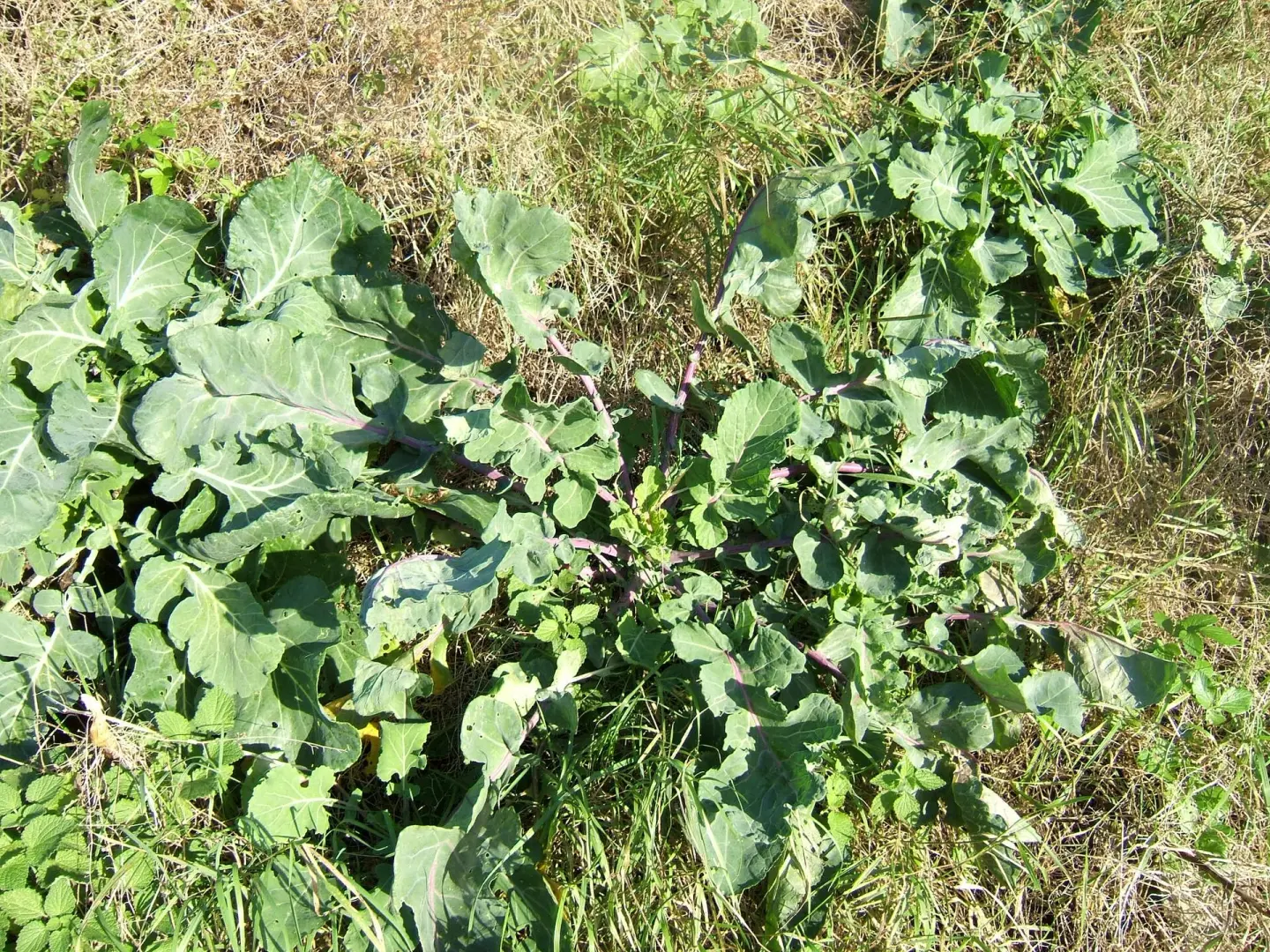
Photo: MPF · CC BY 2.5, via Wikimedia Commons
Essential Care Requirements
Light
Full sun
Watering
Moderate
Water regularly while young. Mature plants need less, particularly in cold weather.
Soil
Fertile, well-drained soil or potting mix; pH 6.0 to 7.5.
Temperature and humidity
-15–25 °C · Moderate humidity
Feeding
Feed lightly in early autumn with a balanced fertilizer.
Pruning and propagation
Propagate by seed
Remove damaged and yellowing lower leaves.
Safe to eat but bitter.
Top Cultivation Tips
Plant in early autumn for colour to develop as nights cool.
Combine with pansies and ivy in pots.
Water in dry spells even in winter.
Net against pigeons.
Common problems
Aphids
Small, soft-bodied insects that cluster on new shoots and buds, sucking sap and leaving sticky honeydew behind.
How to treat it →PestCabbage white caterpillars
Green or yellow-green caterpillars of white butterflies that chew large holes in cabbage-family leaves and foul the hearts with droppings.
How to treat it →DiseaseClubroot
A soil-borne disease of cabbage-family plants that causes swollen, distorted roots, wilting and stunted growth.
How to treat it →PestPigeon damage
Wood pigeons strip the leaves of brassicas and peas, often in winter when other food is scarce.
How to treat it →