Kalmegh
Andrographis paniculata
Kalmegh is a quick-growing, upright annual herb with narrow green leaves and very bitter taste, used in traditional medicine. It is easy to grow from seed in the rainy season and does well in pots and vegetable beds.
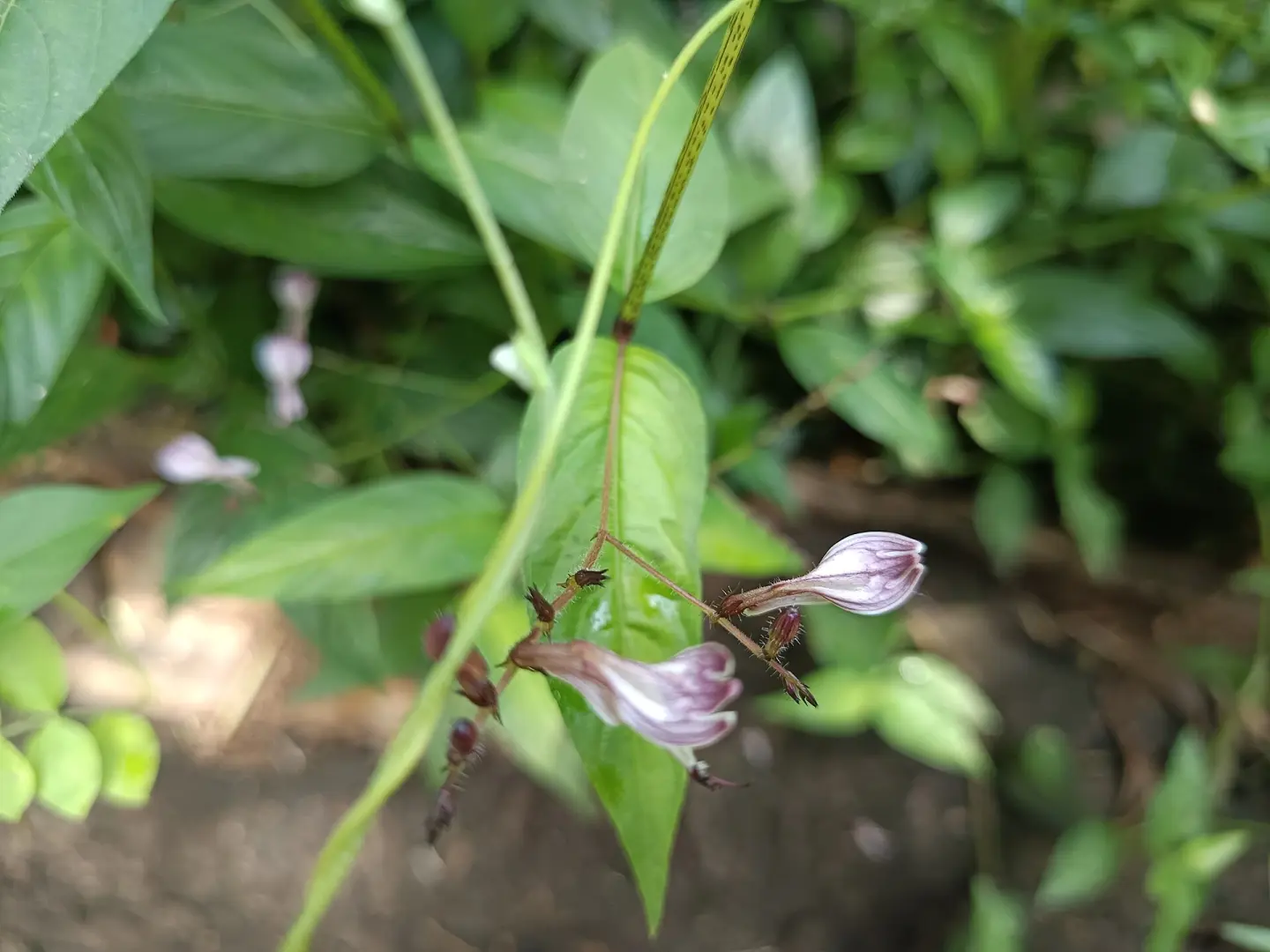
Photo: Deoxyribose12 · CC BY-SA 4.0, via Wikimedia Commons
Essential Care Requirements
Light
Full sun, Partial sun
Watering
Moderate
Keep the soil lightly moist while seedlings establish, then water regularly in dry weather. It does not tolerate waterlogging.
Soil
Well-drained, fertile loam or sandy loam with compost; pH 5.5 to 7.5.
Temperature and humidity
15–38 °C · Moderate humidity
Feeding
Mix in compost before sowing and top-dress once about a month later. Avoid heavy nitrogen feeding.
Pruning and propagation
Propagate by seed
Pinch the growing tips of young plants to make them branch and bushy.
Used in small amounts in traditional medicine. It can cause stomach upset in larger amounts, and is not advised in pregnancy, so take advice before using.
Top Cultivation Tips
Sow seed on the surface of seed-starting mix and keep it just moist.
Transplant seedlings at 8 to 10 cm tall, spacing them 30 cm apart.
Harvest just before or at flowering for the best strength.
Dry cut plants in the shade, not in direct sun.
Common problems
Aphids
Small, soft-bodied insects that cluster on new shoots and buds, sucking sap and leaving sticky honeydew behind.
How to treat it →PestCaterpillars
The larvae of moths and butterflies, which chew holes in leaves, flowers and fruit and can strip a plant in days.
How to treat it →DiseaseLeaf spot
Fungal or bacterial infections that cause brown, black or purple spots on leaves, often with a yellow halo, leading to early leaf drop.
How to treat it →DiseaseRoot rot
Roots decay in waterlogged soil, so the plant wilts and yellows even though the soil is wet.
How to treat it →