Crab Apple
Malus sylvestris
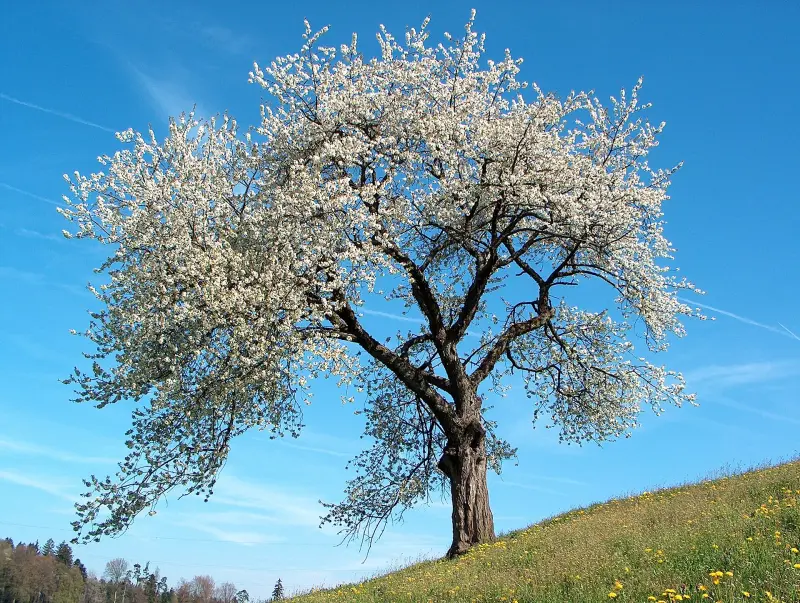
Crab apples are small, hardy trees that carry a mass of white or pink blossom in spring and small, bright fruits in autumn. They are loved by bees and birds, make a wonderful jelly and also serve as pollinators for eating apples.
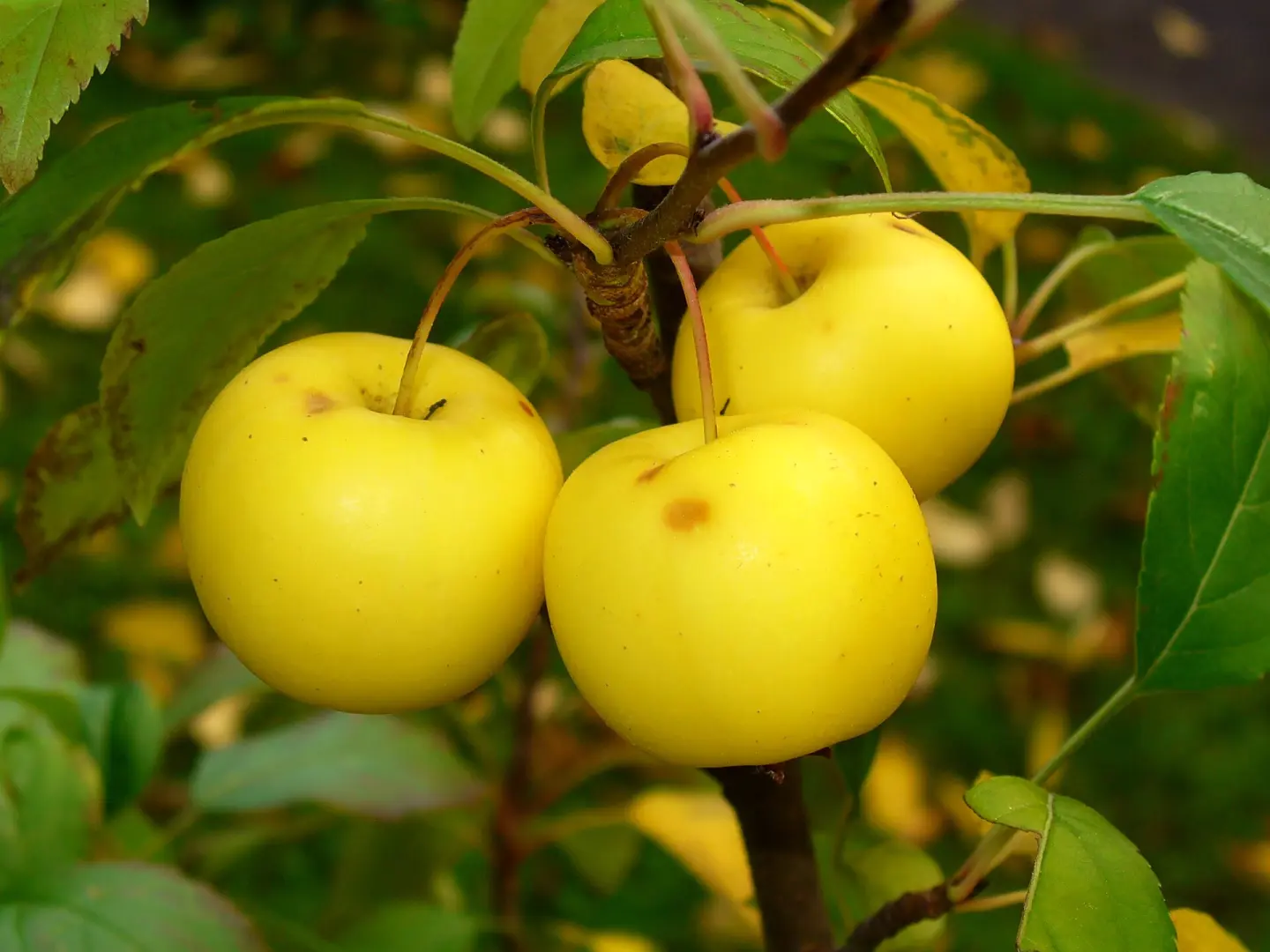
Photo: H. Zell · CC BY-SA 3.0, via Wikimedia Commons
Essential Care Requirements
Light
Full sun
Watering
Moderate
Water young trees regularly in the first two years. Established trees tolerate dry spells.
Soil
Any reasonably fertile, well-drained soil; pH 5.5 to 7.5.
Temperature and humidity
-35–32 °C · Moderate humidity
Feeding
Mulch with compost in spring. A balanced feed in early spring is enough.
Pruning and propagation
Propagate by grafting, seed
Prune lightly in winter to remove dead, crossing and damaged shoots, and to keep the centre open.
Fruit is edible cooked, but pips contain small amounts of cyanide, so do not eat them.
Top Cultivation Tips
Pick fruit when it colours fully for jelly, then boil with sugar.
Plant next to eating apples to improve their pollination.
Leave some fruit on the tree for birds in winter.
Choose scab-resistant varieties to keep leaves clean.
Common problems
Aphids
Small, soft-bodied insects that cluster on new shoots and buds, sucking sap and leaving sticky honeydew behind.
How to treat it →DiseaseApple scab
A fungal disease that causes olive-brown blotches on leaves and corky, cracked scabs on apples and pears.
How to treat it →PestCodling moth
Caterpillars of a small moth that tunnel into apples and pears, leaving a hole and brown, frass-filled tunnels to the core.
How to treat it →DiseaseFire blight
A bacterial disease of apples, pears and related plants that makes blossoms, shoots and branches look scorched by fire.
How to treat it →