Crape Jasmine Pinwheel Flower
Tabernaemontana divaricata
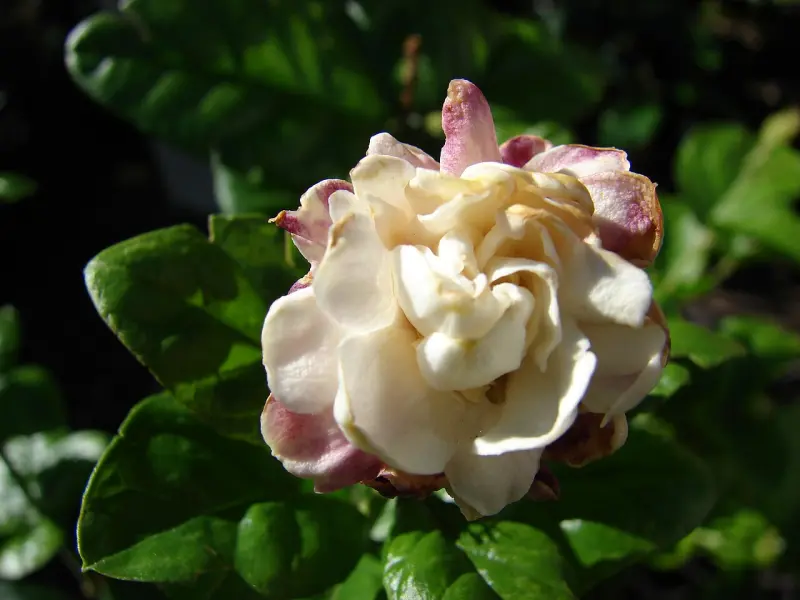
A bushy evergreen shrub with glossy dark leaves and crisp white, pinwheel-shaped flowers that are lightly fragrant in the evening. It flowers nearly all year in warm climates and is a long-standing choice for temple, garden and hedge planting.
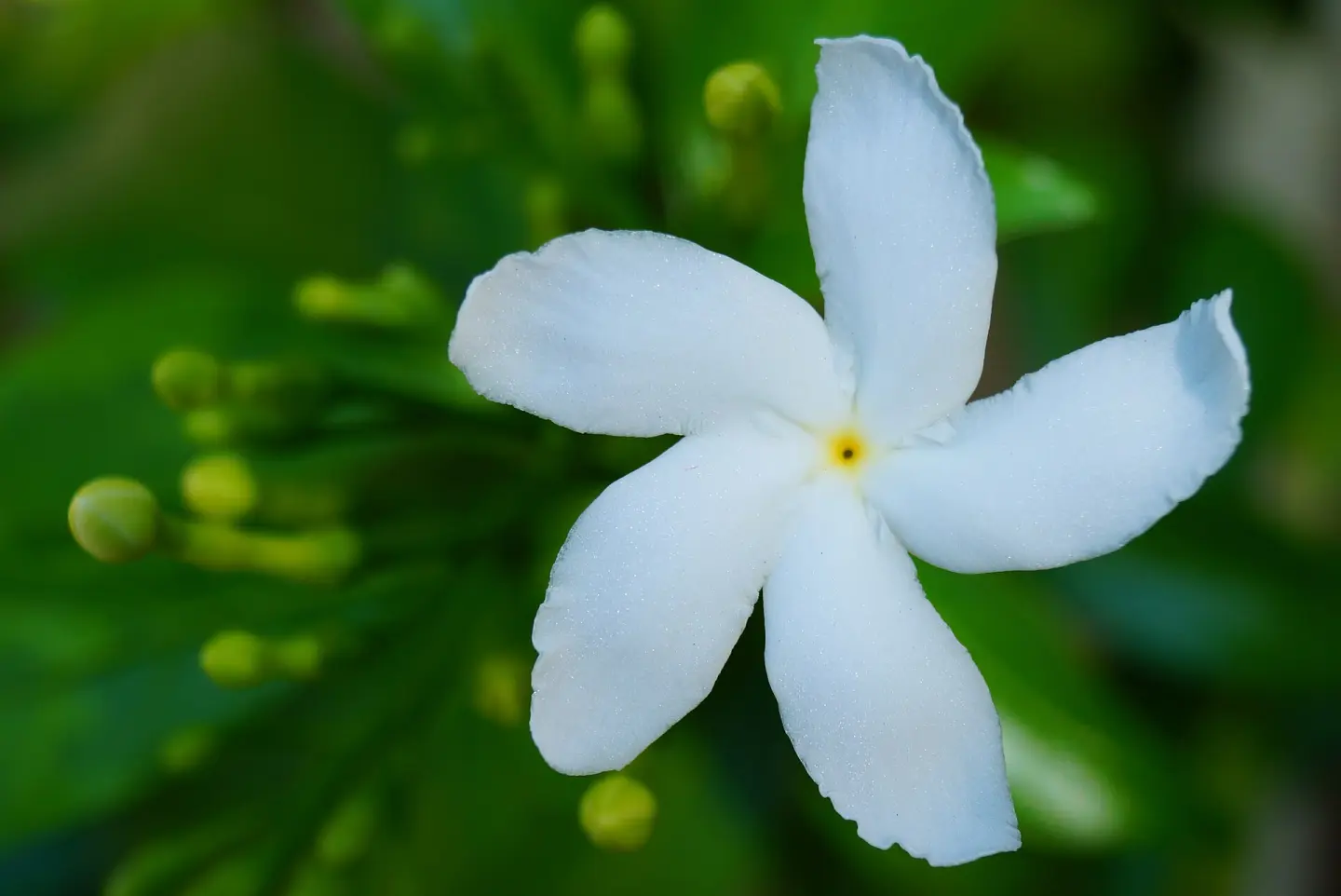
Photo: SKsiddhartthan · CC BY-SA 4.0, via Wikimedia Commons
Essential Care Requirements
Light
Full sun, Partial sun
Watering
Moderate
Water regularly while plants establish, then deeply once a week in dry weather. Pots dry out quickly in summer.
Soil
Rich, well-drained soil with plenty of compost; pH 6.0 to 7.0.
Temperature and humidity
10–38 °C · Moderate humidity
Feeding
Feed every month in spring and summer with a balanced fertilizer, or add compost around the base.
Pruning and propagation
Propagate by stem cuttings, air layering
Prune after the main flush of flowers to shape the shrub and promote more blooms. Wear gloves, as the sap is milky and irritating.
All parts, especially the milky sap, are toxic if eaten and can irritate skin and eyes. Keep away from children and pets and wash hands after pruning.
Top Cultivation Tips
Pick spent flowers to keep the plant tidy.
Take 15 cm stem cuttings in the rainy season for easy rooting.
Give some afternoon shade in very hot climates.
Protect from frost, which blackens the leaves.
Common problems
Leaf spot
Fungal or bacterial infections that cause brown, black or purple spots on leaves, often with a yellow halo, leading to early leaf drop.
How to treat it →PestMealybugs
White, cottony insects that hide in leaf joints and under leaves, weakening plants and spreading easily to neighbours.
How to treat it →PestScale insects
Immobile, shell-covered insects that cling to stems and leaves, draining sap and weakening trees and houseplants.
How to treat it →DiseaseSooty mould
A black, powdery fungal coating that grows on the sticky honeydew left by sap-sucking insects, blocking light from leaves.
How to treat it →