Apple
Malus domestica
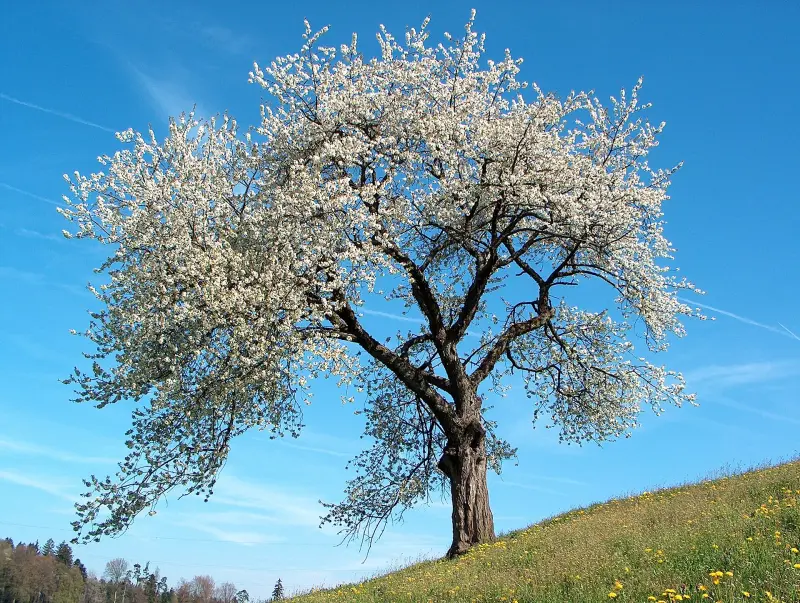
The apple is a deciduous fruit tree grown mainly in cool hill regions with cold winters. Low-chill varieties such as Anna and HRMN-99 have made it possible to grow apples in warmer parts of India too, including large containers.
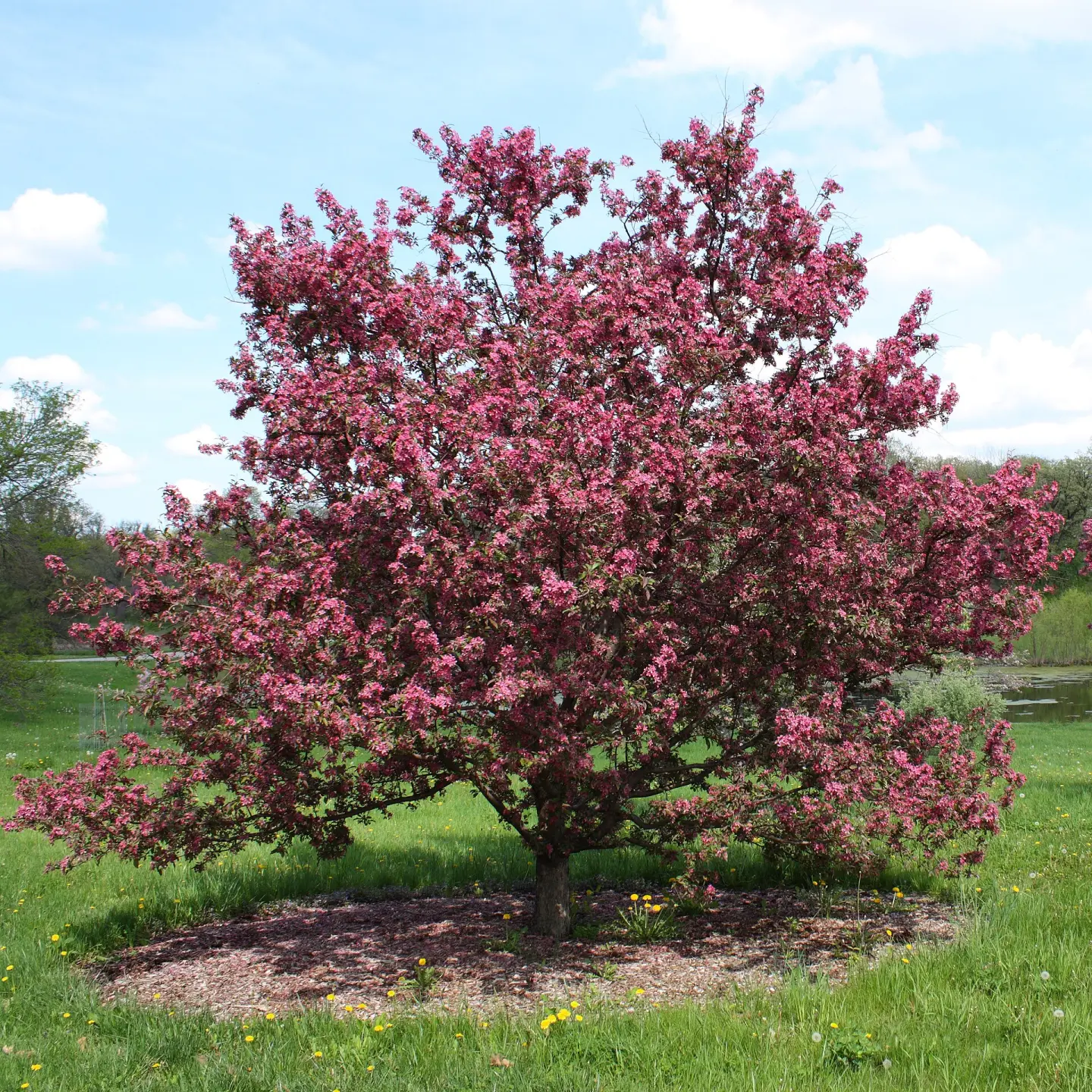
Photo: Bruce Marlin · CC BY 3.0, via Wikimedia Commons
Essential Care Requirements
Light
Full sun
Watering
Moderate
Water deeply every week in the growing season, especially while fruit develops. Reduce watering when the tree is dormant.
Soil
Deep, well-drained loam rich in organic matter; pH 6.0–7.0.
Temperature and humidity
-10–35 °C · Moderate humidity
Feeding
Feed with compost and a balanced fertilizer in late winter as buds swell.
Pruning and propagation
Propagate by grafting
Prune in winter to an open-centre shape, removing crossing and inward-growing branches. Thin fruit to one or two per cluster.
The fruit flesh is safe. Seeds, leaves and stems contain compounds that release cyanide and can harm pets if chewed in quantity.
Top Cultivation Tips
Check the chilling-hour need of the variety for your area.
Plant two compatible varieties for pollination.
Thin fruit for larger apples.
Dwarf rootstocks suit small gardens and containers.
Common problems
Aphids
Small, soft-bodied insects that cluster on new shoots and buds, sucking sap and leaving sticky honeydew behind.
How to treat it →DiseaseApple canker
A fungal disease that causes sunken, flaking wounds on apple and pear branches, which can girdle and kill them.
How to treat it →DiseaseApple scab
A fungal disease that causes olive-brown blotches on leaves and corky, cracked scabs on apples and pears.
How to treat it →DiseaseBoron deficiency
A trace-element shortage that causes hollow stems, brown hearts in roots and brassica heads, and cracked, corky growth.
How to treat it →DiseaseBrown rot
A fungal disease of stone and pome fruit that turns ripening fruit into soft brown rot covered in rings of grey-buff spore pustules.
How to treat it →DiseaseCalcium deficiency
A shortage of calcium reaching new growth and fruit, causing distorted young leaves, brown leaf tips on lettuce and cabbage, and sunken spots on fruit.
How to treat it →DiseaseCedar apple rust
A fungal disease that alternates between juniper or red cedar and apple trees, causing bright orange spots on apple leaves and fruit.
How to treat it →PestCodling moth
Caterpillars of a small moth that tunnel into apples and pears, leaving a hole and brown, frass-filled tunnels to the core.
How to treat it →DiseaseCrown gall
A bacterial disease that forms rough, woody, tumour-like swellings at the base of the stem and on roots of many fruit and ornamental plants.
How to treat it →DiseaseFire blight
A bacterial disease of apples, pears and related plants that makes blossoms, shoots and branches look scorched by fire.
How to treat it →PestFruit flies
Flies that lay eggs inside ripening fruit; the maggots rot the fruit from within.
How to treat it →DiseaseHoney fungus
A destructive fungus that attacks and kills the roots of trees and shrubs, spreading underground by black, bootlace-like strands.
How to treat it →PestPear leaf blister mite
A tiny microscopic mite that causes red or yellow blisters on pear and apple leaves in spring and early summer.
How to treat it →PestPocket gophers
Burrowing rodents that eat roots, bulbs and tubers from below, leaving crescent-shaped soil mounds and plants that wilt or vanish.
How to treat it →DiseasePoor fruit set
Plants that flower well but drop their blossoms or produce few fruit, usually because of temperature, poor pollination or too much nitrogen.
How to treat it →DiseasePowdery mildew
A fungal disease that coats leaves, buds and young shoots with a white, flour-like dust, weakening the plant and spoiling flowers and fruit.
How to treat it →PestScale insects
Immobile, shell-covered insects that cling to stems and leaves, draining sap and weakening trees and houseplants.
How to treat it →DiseaseSilver leaf
A fungal disease of plums, cherries and other fruit trees that gives leaves a silvery sheen and kills branches from the inside.
How to treat it →PestSpotted lanternfly
An invasive planthopper that feeds in groups on sap from grapes, fruit trees and many other plants, leaving sticky honeydew and sooty mould.
How to treat it →DiseaseStem canker
Sunken, dead patches of bark on stems and branches caused by fungi or bacteria, which can girdle and kill the shoot above them.
How to treat it →PestStink bugs
Shield-shaped bugs that pierce fruit and pods to feed, leaving pale, corky spots and distorted fruit, and give off a bad smell when disturbed.
How to treat it →PestTent caterpillars
Hairy social caterpillars that build white silk nests in the forks of branches in spring and strip the leaves from fruit and ornamental trees.
How to treat it →PestVoles
Small rodents that gnaw bark at the base of young trees, eat bulbs and roots, and make runways through grass and mulch.
How to treat it →