Agastache
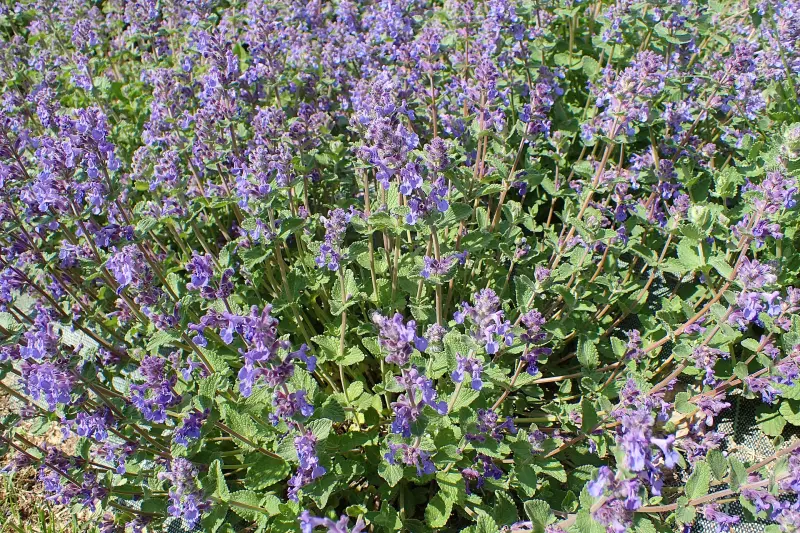
Agastache foeniculum
Agastache produces upright spikes of tubular flowers in blue, purple, pink and orange, above aromatic, anise- or mint-scented leaves. It is a favourite of bees, butterflies and hummingbirds, and it thrives in sunny, well-drained borders and meadow planting.
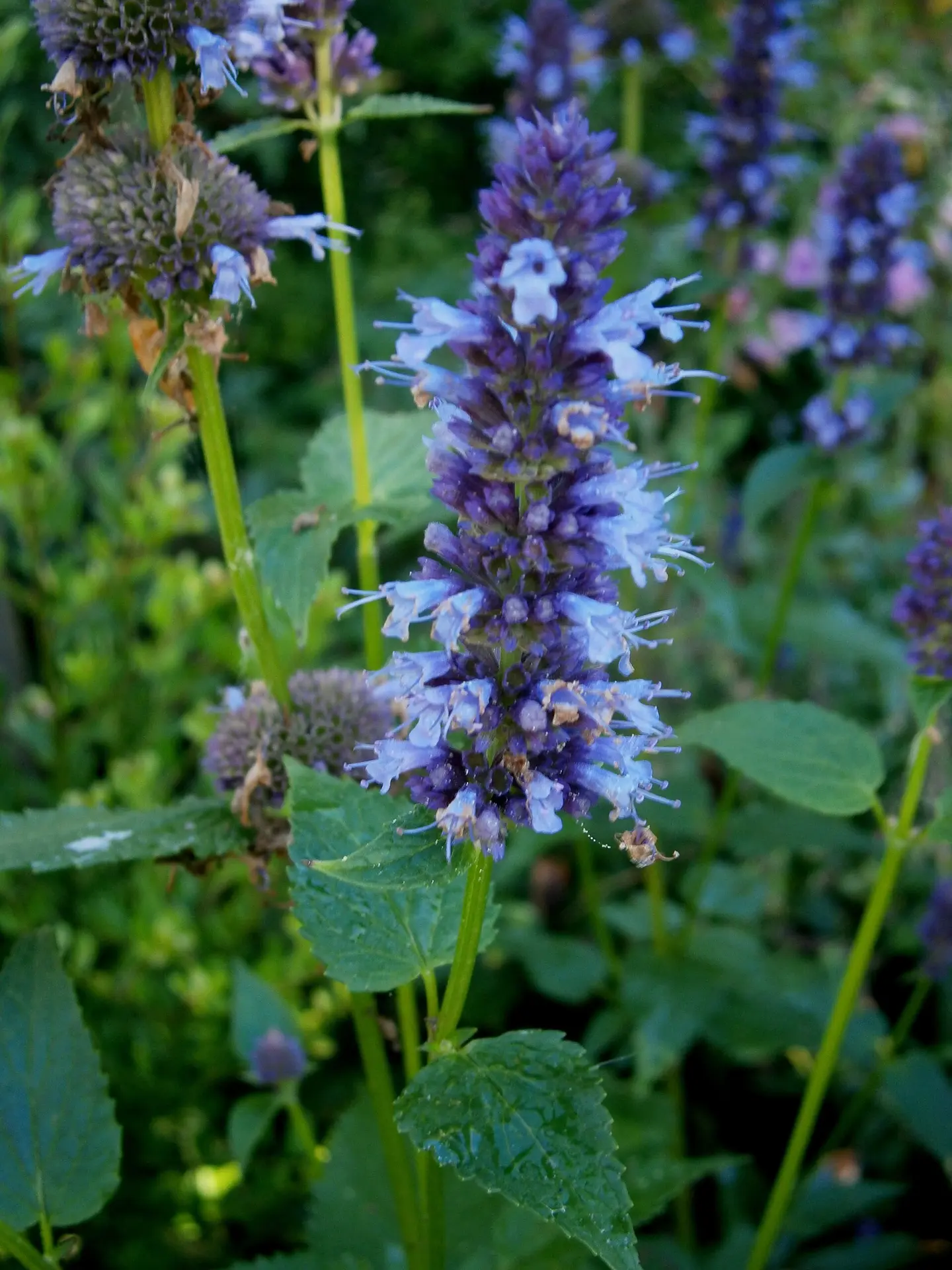
Photo: Meneerke bloem · CC BY-SA 3.0, via Wikimedia Commons
Essential Care Requirements
Light
Full sun
Watering
Low
Water young plants regularly, then only in prolonged dry spells. Avoid wet soil, especially in winter.
Soil
Light, well-drained, neutral to slightly alkaline soil; pH 6.5 to 7.5.
Temperature and humidity
-20–32 °C · Low humidity
Feeding
No feeding is needed in average soil. Rich soil makes plants floppy.
Pruning and propagation
Propagate by seed, stem cuttings, division
Cut back old stems in spring, leaving a framework of about 10 cm. Deadhead for more flowers.
Non-toxic to people and pets. The leaves and flowers are edible and make a good tea.
Top Cultivation Tips
Plant in spring so roots can establish before winter.
Leave seed heads for goldfinches.
Take softwood cuttings in summer for half-hardy kinds.
Pinch young plants for a bushier shape.
Common problems
Aphids
Small, soft-bodied insects that cluster on new shoots and buds, sucking sap and leaving sticky honeydew behind.
How to treat it →DiseasePowdery mildew
A fungal disease that coats leaves, buds and young shoots with a white, flour-like dust, weakening the plant and spoiling flowers and fruit.
How to treat it →DiseaseRoot rot
Roots decay in waterlogged soil, so the plant wilts and yellows even though the soil is wet.
How to treat it →PestWhiteflies
Small white flying insects that gather under leaves, sucking sap, spreading viruses and leaving sticky honeydew.
How to treat it →